Water Damage vs Water Mitigation in Cool Creek: Key Differences
At 11:47pm on a Tuesday, a Cool Creek homeowner called Cool Creek Water Restoration with a question we hear constantly: "Do I need water mitigation or water damage restoration? The insurance lady said both, and I have no idea what she meant." Her water heater had let go in a finished basement, and she was standing barefoot in two inches of water trying to decode industry language while her drywall soaked it up like a sponge.
This is the gap we want to close for you. Water mitigation and water damage restoration are not the same service, they are not interchangeable, and the order matters more than most homeowners realize. Mitigation is the emergency phase: stopping the source, extracting water, drying the structure, and preventing the damage from spreading. Restoration is the rebuild phase: replacing the drywall, refinishing the floors, repainting, and making your home whole again. One protects what you have. The other puts back what you lost.
Since 2018, Cool Creek Water Restoration has walked hundreds of Cool Creek families through both phases. We are IICRC certified and BBB A+ rated, and we will tell you directly if you do not need the full scope of services we offer. The stories below are real field experiences, names and exact addresses changed, that show how this difference plays out on actual Cool Creek jobs and what it means for your timeline, your insurance claim, and your final bill.
Problem: You Do Not Know What Mitigation Actually Means
Mitigation is the emergency phase. Its only job is to stop loss from getting worse. When a pipe bursts in a Cool Creek kitchen, every hour the water sits doubles the chance of warped subfloor, swollen cabinets, and Category 2 contamination spreading into clean areas. Mitigation crews are trained to make that timeline shrink, fast.
Solution: Treat Mitigation As Triage, Not Repair
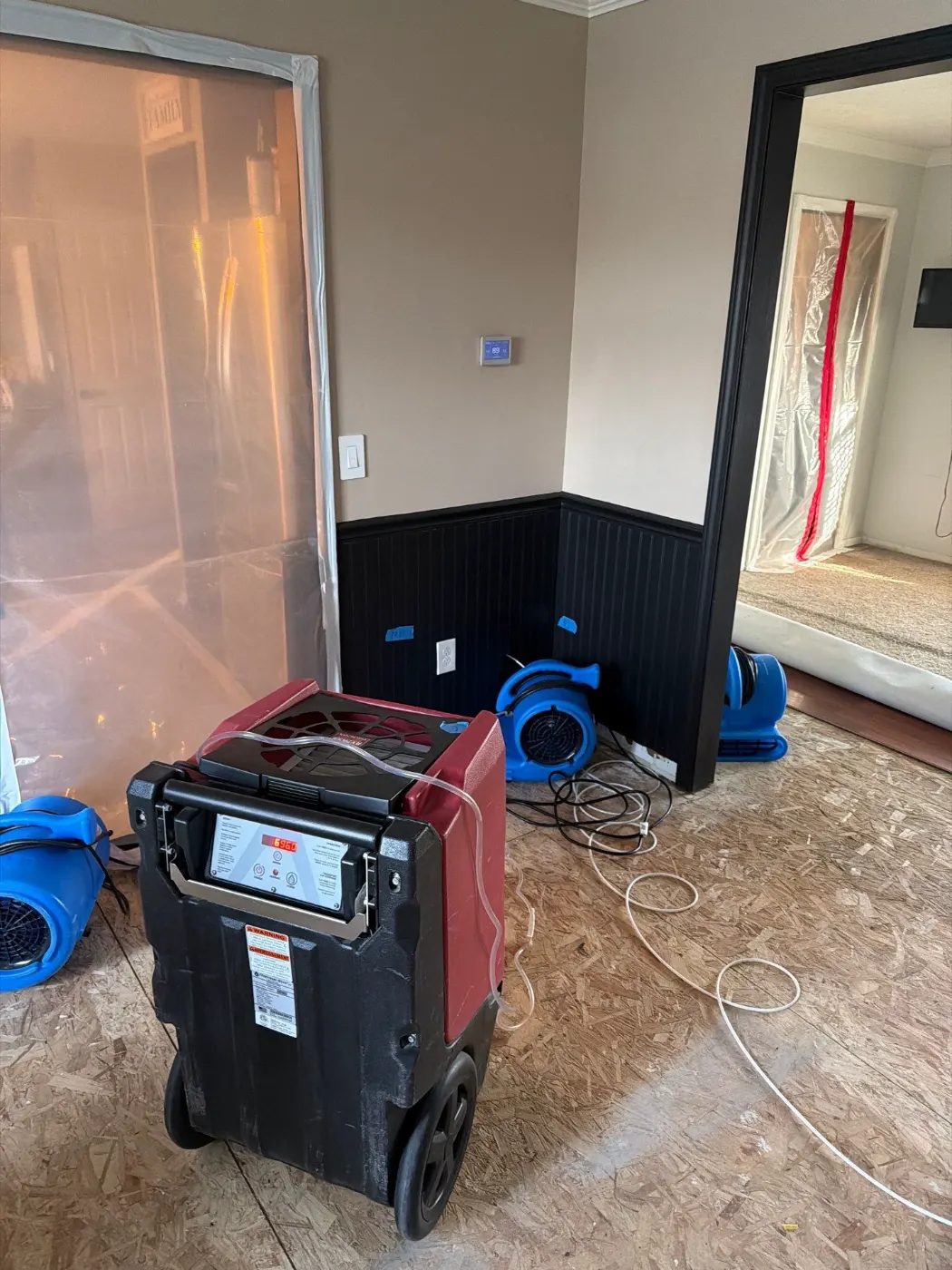
Think of mitigation the way an ER thinks about a trauma patient. Stop the bleeding, stabilize, assess. A proper mitigation visit in Cool Creek usually includes water extraction with truck mounted or portable units, moisture mapping with thermal imaging, controlled demolition of unsalvageable materials, and placement of air movers and dehumidifiers sized to the wet square footage. You should see numbers on the invoice: gallons extracted, linear feet of flood cut, dehumidifier grain depression readings. Those numbers are what your insurance carrier wants. If you want a deeper look at the equipment side, our piece on water mitigation services and emergency drying walks through the typical setup.
Problem: You Confuse Mitigation Pricing With Restoration Pricing
When the first invoice arrives, some homeowners panic because the mitigation bill looks high for what seems like a few fans in a room. That sticker shock comes from misunderstanding what mitigation pricing actually covers.
Solution: Read the Line Items Before You React
A mitigation invoice in Cool Creek typically includes labor for emergency response, equipment rental priced per day per unit, antimicrobial application by square foot, controlled demolition, hauling and disposal, and daily monitoring visits. Three air movers running for four days is twelve equipment days, not three. Restoration pricing, by contrast, is closer to a remodel bid: materials plus trade labor plus a general contractor margin. They are not interchangeable, and an adjuster who sees them blended together will request a revised estimate. Ask your provider to walk you through each line before signing. A good contractor welcomes the question.
Problem: The Water Category Changes Everything
Not all water is treated the same. IICRC defines three categories, and they dictate whether mitigation can simply dry materials in place or must remove them entirely. A clean supply line leak is Category 1. A dishwasher overflow with detergent residue is Category 2. Sewage, groundwater, and any water sitting more than 48 hours is Category 3, which means contaminated.
Solution: Match the Response to the Category
In a Category 1 loss, mitigation may save your carpet pad, drywall, and trim with aggressive drying. In Category 2, porous materials usually come out, hard surfaces get sanitized. In Category 3, almost everything porous is removed, the cavity is treated with EPA-registered antimicrobials, and the rebuild starts from a clean slate. A Cool Creek crew that tries to dry Category 3 water in place is setting you up for mold and a failed clearance test. Category can also shift over time. A clean water leak that sits unaddressed for two days is reclassified upward, which is why same day response in Cool Creek is not just a marketing line, it changes the scope of what can be saved.
Problem: You Are Not Sure Who to Call First
At 11pm with water spreading across your floor, you do not need three phone numbers. You need one team that handles mitigation correctly, documents for insurance, and either performs or coordinates the restoration cleanly.
Solution: Call a Local IICRC-Certified Mitigation Team Before Anyone Else
Shut off the water at the main if you can do it safely. Cut power to affected areas at the breaker. Then call a mitigation team. Cool Creek Water Restoration dispatches across Cool Creek 24 7, typically arriving within 2 hours for emergencies. We start extraction immediately, document for your carrier, and walk you through whether the restoration phase fits our scope or is better handled by your preferred contractor. Honest answers, even when it means sending you elsewhere.
Problem: Your Insurance Policy Talks About Both, Differently
Most homeowners policies in Indiana cover sudden and accidental water damage, but they pay mitigation and restoration on separate line items. Mitigation is usually billed by Xactimate codes for extraction, equipment, and antimicrobial. Restoration is billed by trade: drywall, paint, flooring, trim. Mix those up on a claim and the adjuster will kick it back.
Solution: Document Each Phase Separately
Here is what to keep organized from day one:
- Photos and video of every affected room before any work begins, taken from corners so square footage is visible.
- A signed mitigation work authorization that lists scope, equipment count, and daily monitoring.
- A separate restoration estimate that references the moisture logs and final dry certificate from mitigation.
If your carrier asks who is performing each phase, you can use the same company or split them, but the paperwork must show clear boundaries. For a fuller look at what your policy likely covers, the explainer on what homeowners insurance covers for water damage will save you a frustrating phone call with your adjuster.
Problem: You Think Restoration Happens Right Away
Homeowners often expect a crew to fix everything in one trip. That is not how it works, and a contractor who promises it is cutting corners. Restoration cannot start until the structure is dry to industry standard, usually 3 to 5 days after mitigation begins, sometimes longer in finished basements with thick concrete or hardwood.
Solution: Let the Drying Logs Drive the Schedule
Reputable companies log moisture readings daily until materials hit dry standard, typically within 4 percent of an unaffected reference area. Only then does restoration begin. Restoration is the rebuild phase: replacing drywall, reinstalling baseboards, refinishing or replacing hardwood, repainting, retexturing ceilings, swapping insulation, and rebuilding cabinetry. In Cool Creek, restoration on a moderate loss tends to run 2 to 6 weeks depending on materials and adjuster approvals. If you are wondering how the drying clock actually works, the breakdown in how long water damage takes to dry is worth a read before you push your crew to skip steps.
Get a Clear Plan Before You Sign Anything
Knowing the difference between mitigation and restoration puts you in control of the next 30 days. You will ask sharper questions, catch billing mistakes, and keep your claim moving. If your Cool Creek property is wet right now, call Cool Creek Water Restoration for a free on site assessment. We will tell you which phase you are in, what your scope should look like, and whether you actually need both services. If we cannot help, we will tell you directly and point you to someone who can.
Frequently Asked Questions
Do I need both water mitigation and water damage restoration?
In most Cool Creek losses, yes. Mitigation stops further damage in the first 72 hours, and restoration rebuilds what was damaged. Skipping mitigation almost always creates bigger restoration costs later.
Will my insurance pay for water mitigation separately from restoration?
Usually yes. Carriers code mitigation and restoration as distinct line items, and Cool Creek Water Restoration provides the moisture logs and documentation adjusters need to approve both scopes without delays.
How fast does water mitigation need to start after a leak?
Within 24 hours is the standard. Your policy includes a duty to mitigate, and Category 1 water becomes Category 2 in 24 to 48 hours. Cool Creek Water Restoration runs 24/7 emergency response across Cool Creek.
Can I do water mitigation myself with a shop vac?
For a small spill, sometimes. For anything over 50 square feet or involving subfloor, drywall, or insulation, you need commercial extraction and dehumidification or you will trap moisture and grow mold.
How long does the full mitigation plus restoration process take in Cool Creek?
Mitigation typically runs 3 to 5 days. Restoration runs 1 to 3 weeks depending on scope and insurance approval. Cool Creek Water Restoration can give you a clearer timeline after a free inspection.
Have a restoration question?
Our IICRC certified Cool Creek crew is ready to help. Free assessments, estimate based on what we can sees, no pressure.